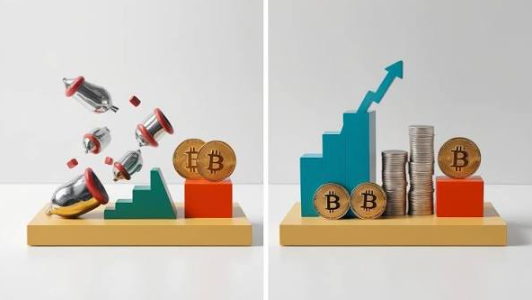

Fungible and non-fungible tokens differ in interchangeability and identity. Fungible tokens are uniform units whose value is interchangeable, enabling scalable settlement and liquidity. Non-fungible tokens are unique identifiers linked to specific assets, establishing verifiable ownership and scarcity. This contrast shapes use cases: fungibles power everyday money and markets; non-fungibles prove provenance and rights tied to individual items. A practical framework emerges when matching a use case to the appropriate token type, but the choice invites further scrutiny.
What Fungible and Non-Fungible Mean, Plain English
Fungible and non-fungible tokens represent two distinct types of digital assets. In plain terms, fungible items are interchangeable units, while non-fungible items are unique identifiers with individual attributes. This difference drives an explanation vs comparison: fungible assets emphasize uniform value, whereas non-fungible assets emphasize distinct value tied to identity. Assessing value vs identity clarifies use cases and freedom in markets.
See also: How Artificial Intelligence Is Transforming Everyday Life
How Fungible Tokens Power Everyday Money
In the previous discussion, fungible and non-fungible tokens were distinguished by interchangeability versus uniqueness. Fungible value underpins everyday currency flows, enabling seamless substitution and scalable settlement. Transactors exchange identical units with predictable outcomes, sustaining liquidity.
Meanwhile, non fungible identity remains distinct, shaping trust and traceability. Together, fungible tokens drive routine payments, while their fungible nature supports efficient, freedom-oriented financial exchange.
How Non-Fungibles Prove Ownership and Create Scarcity
Non-fungible tokens establish verifiable ownership and intentional scarcity through unique digital identifiers recorded on a blockchain. Each token ties to a distinct asset, providing ownership proof that is transparent and auditable. The system supports scarcity signaling by limiting issuance and preserving indivisibility, creating verifiable rarity. This architecture promotes trust, decentralization, and clear provenance across digital and real-world contexts.
A Simple Framework for Choosing Fungible or Non-Fungible by Use Case
Determining whether to employ fungible or non-fungible tokens hinges on the asset’s indivisibility, transferability needs, and the desired signaling of value.
The framework assesses use case characteristics: fungible vs non fungible supply, interchangeability, and transfer velocity.
A use case decision framework clarifies whether liquidity, divisibility, or uniqueness best serves governance, pricing signals, and freedom-driven stakeholder expectations.
Conclusion
In the ledger of digital value, fungibles flow like rain—uniform, interchangeable, and easy to accumulate. Non-fungibles stand as unique monuments, each token a fingerprint of provenance and scarcity. Together, they map a spectrum from liquid settlement to verifiable ownership. The choice hinges on use: mint liquidity or certify individuality. When clarity of purpose guides design, tokens harmonize—generating seamless markets while preserving distinct assets. Thus, understanding both ensures robust, purpose-built digital economies.